
Alex Michaelides – Tiha pacientka vs. A. J. Finn – Ženska na oknu
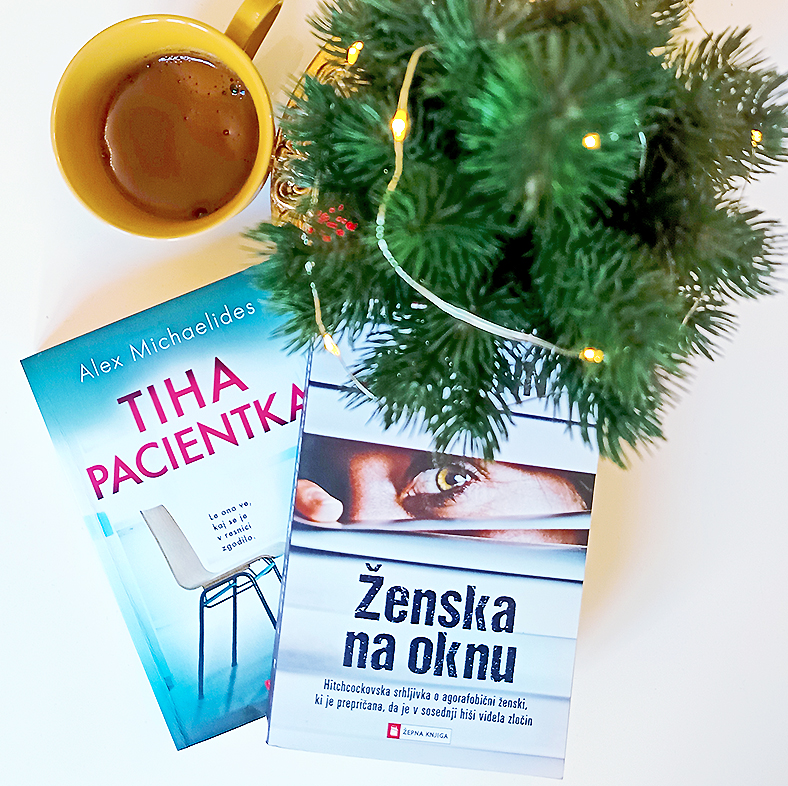
Na Islandiji obstaja običaj Jólabókaflóð, ko si na božični večer podariš, izmenjaš knjige in jih potem bereš. Zlahka si predstavljam sebe s knjigo in vročim čajem na kavču ob prazničnih lučkah. Ni je čez dobro družbo. Ker je december mesec, ko tudi sama rada zdrsnem v melanholijo, se izogibam branju dram in romanc. Načrtno jemljem d vitamin in se držim branja trilerjev in kriminalk, ki so kontrast božičnemu vzdušju. Letos sem si izbrala dva trilerja:
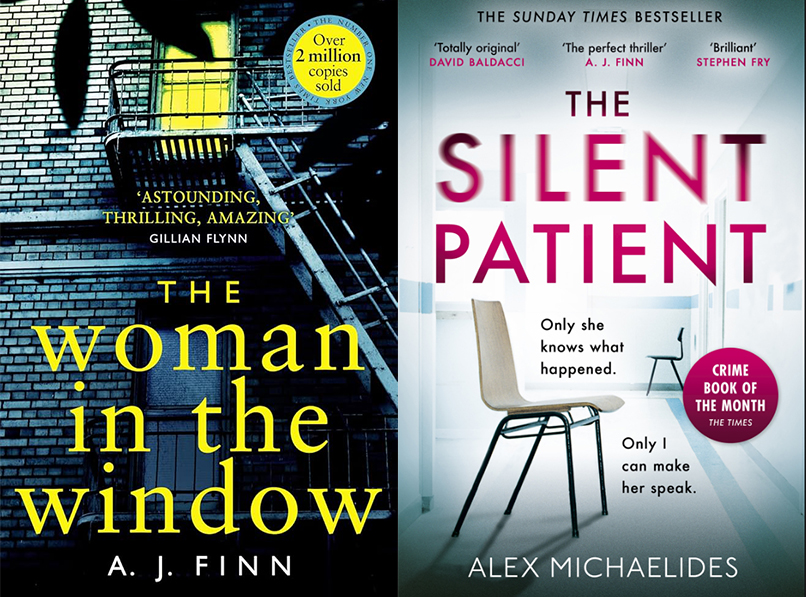
Alex Michaelides – Tiha pacientka
Ko se slavna slikarka po umoru moža zapre v molk, se obseden psihoterapevt poda v nevarno igro razkrivanja resnice in odkrije, da so najbolj smrtonosne skrivnosti tiste, ki jih pripovedujemo sami sebi.
A. J. Finn – Ženska na oknu
Agorafobična ženska, ujeta v lastno hišo, postane priča nasilju v sosednjem domu, a ko nihče drug ne verjame, kar je videla, mora ugotoviti, ali je dogajanje zunaj okna resnica ali razpoka v njenem umu.
Zgodba je pri obeh trilerjih le del izkušnje. Psihološka dinamika je tisto, kar res šteje. Pravi utrip ustvarjajo napetost, atmosfera ujetosti, zlomljena zavest likov, tempo, ki te ne pusti pri miru. Obe knjigi ustvarita občutek mraza in zaprtosti, ko slišiš lasten dih in se ozreš po prostoru, čeprav veš, da si sam.
Stičišča – Zaupanje v lasten um. V obeh romanih se liki ne borijo le s tem, kaj se je zgodilo, ampak tudi, ali lahko verjamejo, da se je to res zgodilo. Osamitev je prav tako nekaj, kar vsebujeta obe zgodbi. Alicia je fizično in čustveno odrezana od sveta, Anna je prostorsko ujeta v lastnem domu. Izolacija je pogoj, da se resnica sploh lahko razkrije in hkrati razlog, zakaj je tako nestabilna. Kot bralec sem bila prisiljena dvomiti o vsem, kar se je dogajalo do zadnjih strani.
Katera zgodba mi je ljubša? Čeprav se mi je zdel konec skoraj preveč natlačen, bi rekla da Tiha pacientka.
eng.
In Iceland, there is a tradition called Jólabókaflóð, the Christmas Book Flood, when people exchange books on Christmas Eve and spend the evening reading them. I can easily picture myself with a book and a cup of hot tea, curled up on the couch among holiday lights. There is no better company.
December, for me, is a month when I tend to drift into melancholy, which is why I avoid dramas and romance. I deliberately take my vitamin D and stick to thrillers and crime novels, a deliberate contrast to the festive atmosphere. This year, I chose two thrillers:
Alex Michaelides – *The Silent Patient*
After murdering her husband, a famous painter retreats into silence. An obsessive psychotherapist becomes determined to uncover the truth, only to discover that the most lethal secrets are the ones we tell ourselves.
A. J. Finn – *The Woman in the Window*
An agoraphobic woman, trapped inside her own home, witnesses violence in a neighboring house. When no one else believes what she claims to have seen, she must confront whether the events outside her window are real or fractures in her own mind.
The story itself is only one part of the experience in both thrillers. What truly matters is the psychological dynamic. The real pulse comes from tension, a sense of confinement, fractured states of mind, and a pacing that never allows you to settle fully. Both novels create a feeling of cold and enclosure, the kind where you become aware of your own breathing and glance around the room, even though you know you are alone.
Common ground – Trust in one’s own mind.
In both novels, the characters are not only struggling with what happened, but with whether they can trust that it happened at all. Isolation is another key element they share. Alicia is physically and emotionally cut off from the world, while Anna is confined to her home. Isolation is both the condition that allows the truth to surface and the reason that truth remains unstable. As a reader, I was forced to doubt everything that unfolded until the very last pages.
Which story stayed with me more?
Despite a finale that felt almost too compressed, I would give the edge to The Silent Patient.